Chargeback Management Services - Dispute Response May/ 8/ 2026 | 0
How the Chargeback Process Works
A chargeback can feel sudden and stressful. One day, the payment looks fine. The next day, the money is pulled back. For many businesses, this creates confusion and loss. That is why every merchant should understand the chargeback process step by step.
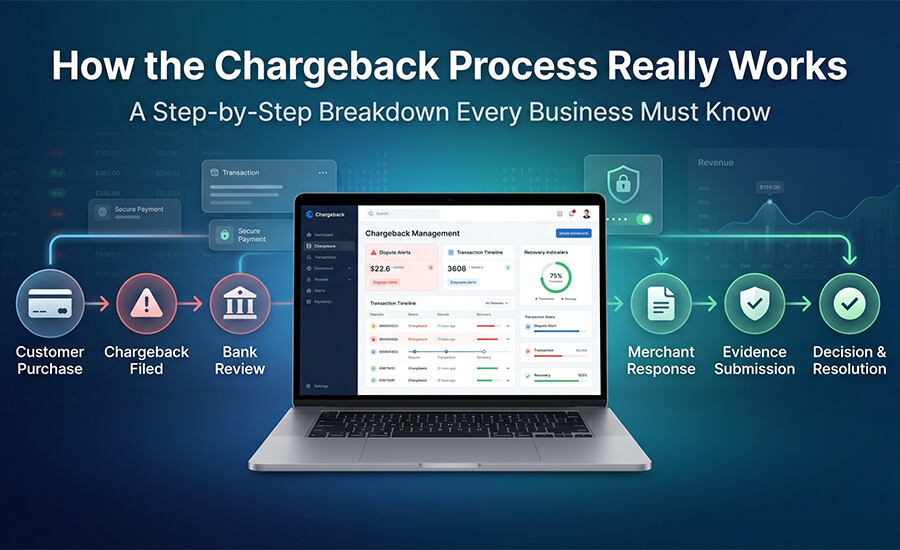
In simple words, a chargeback is a forced reversal of a card payment. It usually starts when a customer questions a transaction with their bank. The bank then reviews the complaint and may take the money back from the merchant account. The process has several stages, and each stage matters. Knowing how it works can help you protect your business and respond the right way. Chargebacks begin with a customer dispute, move through the bank and card network, and may end in favor of either the customer or the merchant depending on the evidence.
What Is a Chargeback?
A chargeback is not the same as a normal refund. A refund comes from the merchant. A chargeback comes from the bank. It is created to protect cardholders from fraud, billing errors, and other disputes. It can also happen when a customer does not recognize a charge, does not receive the product, or says the item was not as described. Chargebacks may be triggered by genuine fraud, customer dissatisfaction, or friendly fraud, where the purchase was real but later disputed.
For merchants, chargebacks are serious. They do more than remove revenue. They can also create fees, increase risk, and hurt payment processing relationships. That is why dispute management matters so much.
Step 1: The Customer Flags the Problem
The process starts when the customer contacts their card-issuing bank. This can happen by phone, online, or through a mobile app. The customer explains why they want to dispute the charge. The reason may be fraud, duplicate billing, non-delivery, or product issues. At this point, the merchant may not even know anything is wrong yet. The customer’s report is the first signal that starts the chargeback path.
This stage matters because the details shared here shape the rest of the case. If the customer gives the wrong reason or incomplete information, the dispute can be harder to resolve fairly. The reason code assigned by the bank helps organize the case and tells the merchant what type of issue they are facing.
Step 2: The Issuing Bank Reviews the Claim
Once the bank receives the complaint, it checks whether the dispute seems valid. If the claim meets the card network rules, the bank may issue a temporary credit to the customer. This means the money may be removed from the merchant side before the full case is resolved. That is one reason chargebacks feel so painful. The merchant may lose access to the funds early in the process.
The bank also assigns a chargeback reason code. This code explains the category of the dispute. It may refer to fraud, authorization problems, product quality, or non-receipt. The reason code is important because it tells the merchant what kind of evidence they need to collect if they want to fight back.
Step 3: The Chargeback Is Filed
If the bank decides the claim should move forward, the chargeback is officially filed. The acquiring bank, card network, and merchant are then informed. At this point, the dispute becomes formal. The merchant usually sees the funds deducted, along with a chargeback fee. This is often the moment businesses first realize there is a problem.
This stage is where many merchants make mistakes. Some ignore the notice. Others respond too slowly. That is dangerous because chargeback deadlines are strict. If you miss the deadline, you may automatically lose the case. A delayed response can turn a recoverable dispute into a permanent loss.
Also Read: How to Respond to a Chargeback with Reason “Not as Described” or Defective
Step 4: The Merchant Reviews the Case
Now the merchant must decide whether to accept or fight the chargeback. This is one of the most important points in the process. If the chargeback is valid, accepting it may save time and extra effort. But if the claim is unfair or wrong, the merchant can challenge it through representment. Representment is the formal process of sending evidence back to prove the transaction was valid.
Good evidence may include order confirmations, shipping records, delivery proof, signed receipts, login data, communication logs, and refund policies. The goal is to show that the customer approved the purchase and received what was promised. The stronger the evidence, the better the chance of winning the case.
Step 5: The Merchant Submits Evidence
If the merchant chooses to fight, they must prepare and send a response quickly. The evidence must match the reason code. That means your response should directly answer the customer’s complaint. For example, if the claim is “item not received,” then tracking data and proof of delivery are key. If the claim is “unauthorized transaction,” then IP logs, device data, and prior customer history may help.
This step is often called representment. It is more than just sending paperwork. It is about building a clear story with proof. A weak response can lose even a valid case. A strong response can reverse the chargeback and return the funds to the merchant. Timing is critical, because the response window may be short.
Step 6: The Bank and Network Decide
After the merchant submits evidence, the issuing bank reviews the file again. In some cases, the card network may also be involved in the review. The bank compares the customer’s claim with the merchant’s proof. Then it decides whether to keep the chargeback or reverse it. This decision depends on the evidence and the network rules.
If the merchant wins, the funds may be returned. If the merchant loses, the chargeback stands. In either case, the business has learned something valuable about the dispute. Over time, these patterns can help improve fraud checks, customer support, and order policies.
Step 7: The Case May Escalate
Some disputes do not end after the first decision. They can move into pre-arbitration or arbitration if one side keeps challenging the result. This is the most advanced and costly part of the chargeback process. It usually happens when the amount is large or when one party strongly believes the first decision was wrong.
Most businesses want to avoid this stage because it adds more time, fees, and complexity. That is why prevention is always better than escalation. Clean records, clear policies, and fast customer support can reduce the chance of a dispute reaching this point.
Also Read: What Are Chargeback Prevention Services and How Do They Work?
How Businesses Can Reduce Chargebacks
The best way to handle chargebacks is to prevent them before they happen. Clear product pages help customers know what to expect. Fast shipping helps reduce “item not received” claims. Strong communication helps solve problems before customers call their bank. Easy-to-read refund policies can also stop confusion before it turns into a dispute.
Businesses should also track suspicious orders, confirm billing details, and keep complete transaction records. This makes it easier to defend a chargeback if one happens. Good prevention protects revenue and saves time.
Why Dispute Response Matters
Dispute Response helps businesses understand and manage the chargeback process more confidently. When merchants know the steps, they can respond faster and with better evidence. That can improve outcomes and reduce losses. A smart dispute strategy also helps build a stronger payment operation over time.
For growing businesses, chargebacks are not just a payment issue. They are a customer service issue, a risk issue, and a cash flow issue. Dispute Response supports a clearer, more organized way to handle them.
Final Thoughts
The chargeback process has a clear flow, even though it often feels messy. It starts with a customer complaint, moves through the bank, and ends with a decision. Along the way, the merchant has several chances to respond, defend the sale, or reduce the impact. Understanding each step gives you more control.
If you run a business, do not wait until a chargeback arrives. Build strong records now. Write clear policies now. Train your team now. That simple preparation can save time, money, and stress later.