Chargeback Management Services - Dispute Response May/ 1/ 2026 | 0
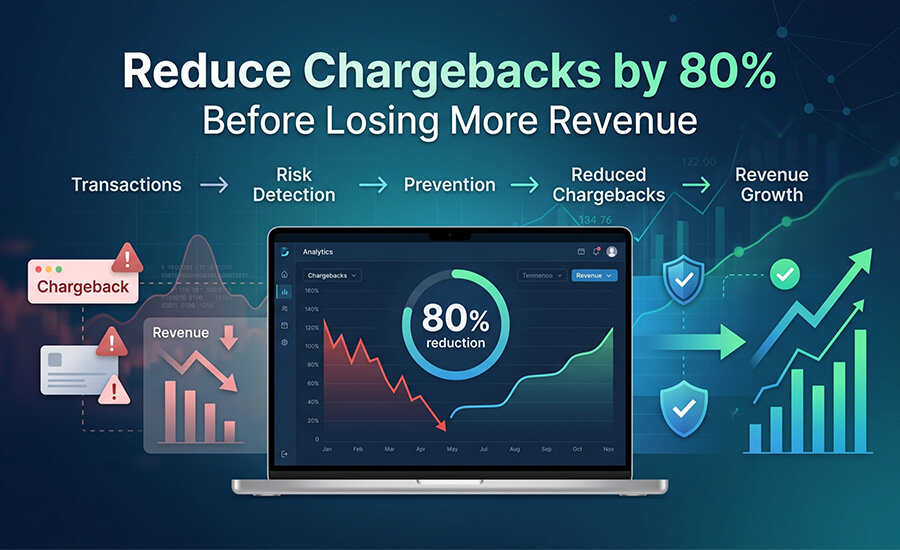
Chargebacks can feel like an ever‑hanging cloud over your cart: they eat profit, hit your credit score, and scare off future customers. But what if you could cut them down by 80%—turning a costly pain into a streamlined, predictable process? In this guide we’ll dive into the root causes of chargebacks, show you how to Reduce Chargebacks effectively, and walk you through a robust chargeback management workflow that keeps your revenue intact.
- Use strong fraud prevention tools
- Keep communication crystal‑clear
- Leverage data‑driven post‑sale analytics
- Automate dispute resolution
- Keep training fresh and documents ready
Let’s get started!
1. Understanding Chargebacks: The Hidden Cost to Your Business
Why are Chargebacks a Big Deal?
- Revenue loss: Every chargeback eliminates a sale, plus you lose the transaction fee and often a penalty fee.
- Reputation hits: High chargeback ratios can flag your account for higher risk, meaning higher processing fees or even merchant account termination.
- Operational drain: Investigating and responding takes time, diverting staff from other business initiatives.
Tip: A chargeback ratio above 1% (charged back $÷ total sales $× 100) is a red flag for most processors.
Common Culprits That Trigger Chargebacks
Cause, Why it Happens, Prevention
Fraudulent Transactions: Stolen cards, accounts steal | Strong AVS, CVV checks, 3DS, device fingerprinting.
A‑B Out of Scope (Improper usage of a standard that isn’t properly implemented) | Unclear shipping or delivery expectations | Real‑time order updates + confirmation emails.
Customer Satisfaction Issues: Product arrived late, didn’t match description | Accurate product descriptions, proactive shipping alerts.
Technical Glitches: Double charging, incorrect amount | Verified payment gateway integration, double‑submit prevention.
Knowing the why helps you structure prevention into every touchpoint.
Also Read: What Happens When You Don’t Respond to a Chargeback?
2. The Chargeback Lifecycle: Know the Pipeline
1. Dispute Start – A cardholder initiates the dispute at their bank.
2. Notification – Processor sends a chargeback notice to the merchant.
3. Evidence Submission – Merchant must prove the transaction was legitimate.
4. Issuer Review – The issuer evaluates evidence.
5. Decision – Chargeback is accepted or reversed.
6. Follow‑up – Some issuers or processors automatically renew evidence.
If the process moves through step 3 efficiently, your chance of winning the dispute increases dramatically.
3. Build a Chargeback‑Resistant Post‑Sale Experience
A. Optimize Your Checkout
- Always‑on Fraud Detection: Use dynamic risk engines that learn your buyer behavior and flag odd patterns.
- Clear Price Transparency: Hidden fees drive disputes; display total upfront.
- Cancel Button Visibility: If customers can cancel before confirm, you reduce chargebacks for “didn’t want it.”
B. Post‑Purchase Communication
- Immediate Receipt: Send a confirmation email with order number & subtotal.
- Shipping Updates: Real‑time tracking info helps customers verify delivery ASAP.
- Customer Support Ticket: A quick IP to a live chat / callback can solve confusion before a chargeback is filed.
Customer Experience is the best line of chargeback prevention.
4. Strengthen Fraud Defense: The Frontline of Reduction
Tool, What It Does, How It Helps?
Address Verification System (AVS): Checks if billing ZIP matches cardholder’s postage address. | Reduces stolen-card usage.
Card Verification Value (CVV): Validates the 3‑digit security code. | Verifies card possession.
Verified by Visa / 3D Secure 2 (3DS2): Adds an extra authentication layer. Lowers fraudulent authorizations.
Device Fingerprinting: Tracks device IDs + IP, flags abnormal patterns. Prevents credential stuffing.
Velocity Checks & ML Models: Monitors transaction speed & history. | Stops rapid purchase sweeps.
Actionable step: Integrate at least three of these layers into your checkout flow. The more friction legitimate users go through, the less credit cards are used fraudulently.
5. Create a Clean, Contingent Documentation Stack
Why does documentation matter?
When a chargeback is filed, your evidence is the sole factor your processor and issuer rely on. Poor documentation means “no evidence” = lost sale.
Documentation Checklist
- Authorization, Capture, and Settlement Records – All timestamps, amounts, and transaction IDs.
- Shipping Proof – Tracking header, proof of delivery (POD) signatures, or GPS timestamp from driver.
- Customer Comm. Logs – Email thread along with times of contact & resolution.
- Product Description & Images – Escrow your product listing content.
6. Automate, Monitor, Analyze — The Heart of Chargeback Management
Automated Chargeback Management Workflows
1. Trigger – A chargeback notice arrives.
2. Evidence Pull – System pulls required data and uploads to dispute portal.
3. Alert – Teams get notified instantly (Slack, SMS).
4. Escalate – If no response within X hours, escalated to senior team.
5. Post‑Resolution Data Feed – Record outcome back into KPI dashboard.
Automated workflows reduce error rates and speed up returns,