Chargeback Management Services - Dispute Response Apr/ 21/ 2026 | 0
Why you should never ignore a chargeback
When a customer files a chargeback, your bank or payment processor sends you a notice with a strict deadline to respond. If you do not reply within that window, the dispute is treated as accepted from your side. In practice, that means the customer keeps their money and you lose the sale, the product or service, and often extra fees.
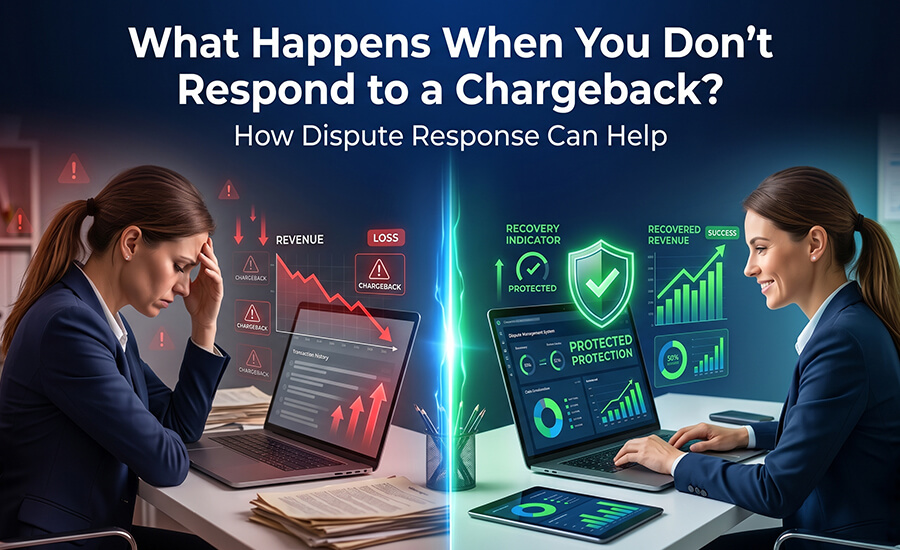
Ignoring chargebacks may seem like a quick way to save time, but it can quickly become a serious financial and operational problem. That’s why solutions like Dispute Response exist: to track every chargeback, assemble documentation fast, and help merchants respond correctly before the deadline passes.
Direct financial losses you face
The first consequence of not responding is the automatic loss of the disputed amount. The original transaction value is typically withdrawn from your account and returned to the cardholder. Most acquiring banks and processors also apply a chargeback fee per dispute, which can range from about $20 to $100 or more depending on your contract.
For physical goods, you also lose the item itself, plus associated costs such as shipping, packaging, and labor. Over time, multiple ignored chargebacks can significantly eat into your profit margins—especially on higher‑ticket orders. Automated tools like Dispute Response can help auto‑tag and prioritize these cases so nothing slips through the cracks.
Also Read: Chargeback Management Guide 2026: Reduce Disputes & Recover Revenue Fast
How non‑response affects your chargeback ratio
Card networks like Visa and Mastercard track your chargeback ratio, which is the percentage of your transactions that end in chargebacks. Not responding to disputes counts as a “lost” chargeback, which pushes your ratio upward.
A rising chargeback ratio signals to processors that your business may be high‑risk or poorly managed. This can trigger higher processing fees, rolling reserves, or even suspension of your merchant account if your numbers stay elevated. With Dispute Response, merchants get clearer dashboards, alerts, and workflows to reduce missed deadlines and keep their ratios under control.
Limited rights to appeal or represent
When you don’t respond to a chargeback, you also forfeit your right to representment. Representment is the process where you submit evidence to reverse the dispute, such as proof of delivery, signed contracts, or clear terms of service.
Without a timely response, networks generally do not accept late documentation. This closes doors to pre‑arbitration and arbitration stages, which are your only formal channels to challenge the chargeback fully. Platforms like Dispute Response make it easier to collect and store evidence ahead of time so you’re ready to respond the moment a dispute arrives.
Risk to your merchant account and processing privileges
Repeatedly ignoring chargebacks can damage your relationship with banks and payment processors. Excessive chargebacks are often viewed as a sign of fraud risk, poor fraud controls, or weak customer‑service practices.
In severe cases, you may be moved to a high‑risk processing tier with higher fees, required reserves, or account freezes. If your ratios remain high, the processor can choose to terminate your account altogether. By integrating Dispute Response into your operations, you gain faster case handling, better reporting, and a lower chance of being seen as a risky merchant.
How Dispute Response protects your business
To avoid these consequences, set up clear internal workflows for handling chargeback notices. This includes designating a team member to monitor notifications, reviewing each case quickly, and preparing evidence such as order confirmations, delivery tracking, and communication logs. Dispute Response streamlines this process with automated alerts, evidence templates, and status tracking so you never miss a deadline again.
Using a dedicated chargeback‑response platform like Dispute Response also gives you data‑driven insights into common dispute triggers, helping you tweak policies, improve customer‑facing documents, and reduce future chargebacks. By treating every chargeback as a serious event supported by the right tools, you protect your revenue, keep your chargeback ratio under control, and safeguard your merchant account and processing relationship.