Chargeback Management Services - Dispute Response May/ 5/ 2026 | 0
Chargebacks can hurt revenue fast. They also take time, energy, and focus away from sales. For merchants, winning a dispute is not just about proving a payment was valid. It is about showing the right proof, at the right time, in the right way.
Many merchants lose chargebacks because they miss details. Others win because they keep good records and respond quickly. The good news is that dispute success is often influenced by a few clear factors. If you understand them, you can improve your chances.
At Dispute Response, we believe merchants should know what affects win rates most. That knowledge helps businesses protect revenue and reduce stress.
Why Chargeback Wins Matter
A chargeback is more than a refund. It often comes with extra fees, lost product, and higher processing risk. Too many chargebacks can also damage your standing with payment providers.
That is why dispute success matters. Every win can save money. Every strong response can protect future sales. Even when a merchant does not win every case, better dispute handling can improve recovery over time.
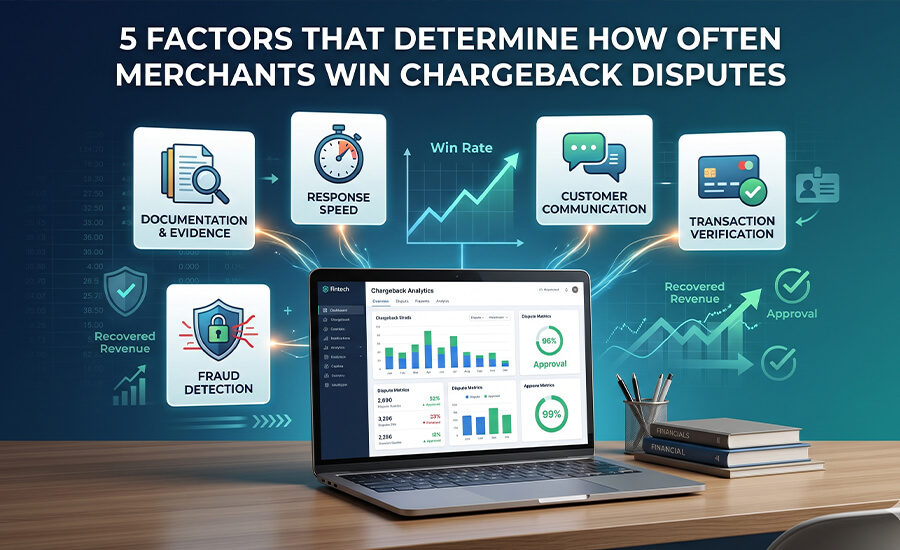
1. The Quality of Evidence
The first major factor is evidence. Strong evidence gives the card issuer a clear reason to side with the merchant. Weak evidence usually leads to a loss.
Good evidence includes order confirmations, receipts, shipping records, delivery proof, refund policies, and customer messages. It should be complete, accurate, and easy to follow. If the story is unclear, the merchant loses power in the dispute.
Many merchants think they need more evidence. Often, they need better evidence. A few clear documents can be stronger than a long, messy file.
2. How Fast You Respond
Speed is very important in chargeback disputes. Every issuer gives merchants a deadline. If you miss it, you may lose automatically.
A fast response shows control. It also gives you more time to gather the right documents before the deadline closes. Merchants who wait too long often scramble at the last minute and send incomplete files.
At Dispute Response, we recommend building a process for quick action. When a chargeback appears, the team should know exactly what to do. That saves time and improves outcomes.
3. The Type of Chargeback
Not all chargebacks are the same. Some are easier to fight than others. The reason code matters a lot.
For example, friendly fraud cases often give merchants a better chance. These happen when a customer disputes a charge even though the purchase was real. In those cases, proof of delivery, usage, or customer communication can help a lot.
True fraud cases are harder. If the cardholder really did not make the purchase, the merchant may need much stronger proof. This is why understanding the chargeback reason is so important. It shapes the whole response.
4. How Well the Transaction Was Verified
Verification at the time of sale can make a big difference later. If you collect strong customer data during checkout, you create a better defense if a dispute happens.
Useful checks include billing address verification, CVV checks, login records, IP tracking, and proof that the buyer completed the order. For online sales, these details matter even more. They help show that the merchant followed a proper process.
This is one reason prevention is so valuable. The more you verify up front, the easier it becomes to defend the sale later. Good transaction controls can improve how often merchants win chargeback disputes.
5. The Strength of Your Dispute Process
The final factor is the overall quality of your dispute process. Some merchants handle disputes in an organized way. Others rush and send random files.
A strong process means every step is repeatable. It includes tracking deadlines, collecting evidence fast, checking reason codes carefully, and writing a clear response. It also means knowing what each card network expects.
Dispute Response helps merchants build this kind of system. A structured process can improve consistency and reduce mistakes. Over time, that can lead to better win rates and lower losses.
How Merchants Can Improve Win Rates
Merchants do not control every chargeback. But they do control their response. That is where improvement begins.
Start by storing key records in one place. Keep invoices, shipping proof, email threads, and refund policies easy to access. Then create a simple workflow for every new chargeback. This makes it easier to meet deadlines and build better cases.
Training also helps. When staff understand why chargebacks happen, they can help prevent them. Better communication, clearer policies, and faster customer support can reduce disputes before they start.
The Role of Prevention
Winning disputes is important. But preventing chargebacks is even better. Every avoided chargeback saves time and money.
Good prevention includes clear product descriptions, accurate billing statements, timely shipping, and responsive support. It also means watching for risky orders before they become problems. Merchants that focus on prevention usually see fewer disputes and better long-term results.
At Dispute Response, we see prevention and dispute handling as two sides of the same strategy. One reduces risk. The other protects revenue when risk becomes real.
What Merchants Should Remember
Chargeback wins are not random. They depend on clear factors like evidence, timing, dispute type, transaction verification, and process quality. Merchants that improve these areas usually see better results.
You do not need to win every dispute to make progress. You just need a system that is organized, fast, and evidence-based. That is how merchants protect revenue and stay in control.
Final Thoughts
Chargebacks will always be part of payments. But losing them should not feel inevitable. When merchants understand the five main factors, they can respond with more confidence and better strategy.
Dispute Response is here to help merchants handle chargebacks with less stress and more clarity. Strong evidence, quick action, and a better process can make a real difference in how often merchants win chargeback disputes.