Chargeback Management Services - Dispute Response Feb/ 17/ 2026 | 0
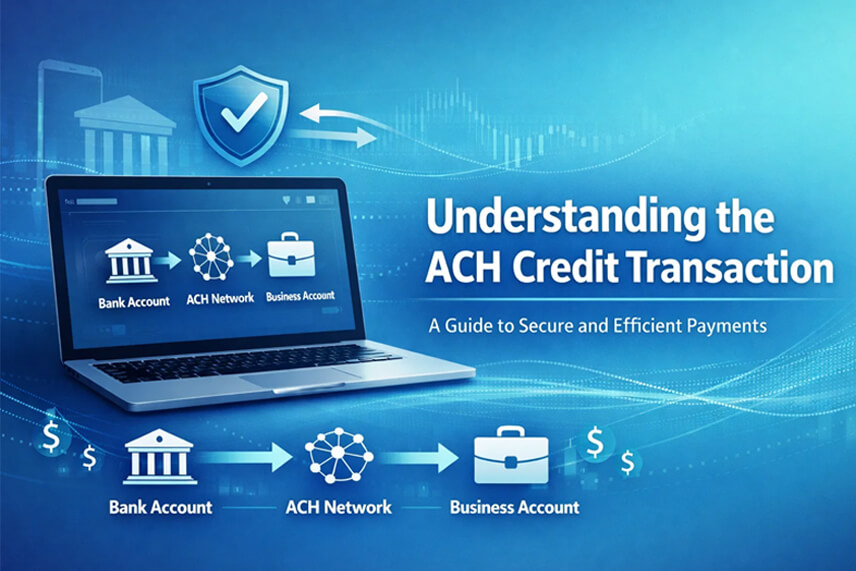
In the modern United States financial landscape, the days of signing paper checks and waiting for them to travel through the mail are rapidly fading. For businesses and consumers alike, electronic funds transfers have become the gold standard for moving money. At the heart of this system is the ACH payment network. While you may use this system daily, understanding the specific mechanics of an ACH credit transaction is vital for maintaining financial health and security.
At Dispute Response, we believe that understanding how your money moves is the first line of defense against errors and fraud. This guide will break down exactly what an ACH credit transaction is, how it differs from other payments, and why managing these transactions correctly matters for your business.
What Is an ACH Credit Transaction?
To understand an ACH credit, you first have to understand the direction the money is moving. In the banking world, an ACH credit is a “push” transaction. This means that the person or entity holding the funds (the Originator) initiates the transfer to send money to a receiver.
Think of it as a digital version of handing someone cash. You are in control; you decide when to let go of the funds and who they go to.
Common examples of ACH credit transactions include:
- Direct Deposit Payroll: When an employer sends wages directly into an employee’s bank account.
- Vendor Payments: A business paying a supplier for goods or services.
- Government Benefits: Social Security payments or tax refunds deposited directly into a citizen’s account.
- P2P Transfers: When you use a banking app to send money to a friend.
How Does It Work?
The process might seem instant to the user, but a specific chain of events occurs behind the scenes. When you initiate an ACH payment as a credit:
- Origination: You (the Originator) provide your bank (the Originating Depository Financial Institution, or ODFI) with the receiver’s account number and routing number, along with authorization to send the funds.
- Batching: Your bank doesn’t send the money instantly. Instead, they group your request with others into a batch.
- Clearing: These files are sent to an ACH Operator (like the Federal Reserve or the Electronic Payments Network), which sorts the transactions and routes them to the receiver’s bank.
- Settlement: The receiver’s bank (the Receiving Depository Financial Institution, or RDFI) credits the account, making the funds available.
While this process traditionally took a few days, the network is getting faster. Today, a significant majority of ACH payments settle in one business day or even less.
ACH Credit vs. ACH Debit: The Crucial Difference
Confusion often arises between ACH credits and debits. The distinction lies in who starts the transaction.
- ACH Credit (Push): As mentioned, the payer initiates the transfer. The payer controls the timing and the amount.
- ACH Debit (Pull): The payee (the person receiving the money) initiates the transaction to “pull” funds from the payer’s account. A classic example is an auto-pay utility bill where the electric company automatically withdraws what you owe each month.
From a security perspective, ACH credits are often viewed as lower risk for the person paying, because no third party has open access to pull funds from your account without a specific action on your part.
The Benefits for US Businesses
Why do businesses overwhelmingly choose ACH credits over wire transfers or paper checks?
- Cost-Effectiveness: Wire transfers often come with high fees for both the sender and receiver. In contrast, ACH transactions are significantly cheaper, often costing pennies per transaction.
- Security: Paper checks can be lost, stolen, or altered. ACH transactions are encrypted and move directly between financial institutions.
- Efficiency: For recurring payments like payroll, ACH credits allow for automation that saves countless hours of administrative work.
When Things Go Wrong: Reversals and Fraud
While ACH credits are secure, they are not immune to errors or fraud. This is where the landscape can get complicated, and where a partner like Dispute Response becomes essential.
Because an ACH credit is a “push” transaction, once the money is sent, it is generally considered final. However, mistakes happen. Perhaps a payroll file was duplicated, or a payment was sent to the wrong account number.
The ACH network rules allow for Reversals in specific scenarios, such as:
- Duplicate payments.
- Incorrect payment amounts.
- Payments sent to the wrong recipient.
However, the clock is ticking. Reversals must typically be transmitted within five banking days after the settlement date of the error. Furthermore, the receiver must be notified. If you miss this window, retrieving those funds becomes significantly more difficult.
Credit-Push Fraud A growing concern in the US is “credit-push fraud.” This occurs when a bad actor deceives a business into sending an ACH credit to a fraudulent account—often through Business Email Compromise (BEC) scams or vendor impersonation. Because the business authorized the push (even though they were tricked), reversing these transactions is complex and not guaranteed.
New rules are being implemented to help banks monitor for this type of fraud, requiring receiving banks to take a more active role in identifying suspicious incoming credits.
How Dispute Response Can Help
Navigating the rules of the ACH network requires expertise. Whether you are dealing with a vendor claiming non-payment, an employee dispute regarding direct deposit, or the aftermath of an erroneous transfer, time is of the essence.
At Dispute Response, we understand the intricate timelines and specific codes required to manage payment exceptions.
- Handling Reversals: We guide you through the strict five-day window for correcting erroneous ACH entries.
- Navigating Returns: If you receive a Return Notification (for example, if a vendor’s account is closed), we help you interpret the return codes and resolve the issue quickly.
- Fraud Mitigation: We stay ahead of the latest Nacha operating rules regarding fraud detection and fund recovery.
Conclusion
The ACH payment system is the backbone of American commerce, offering a reliable way to push funds where they need to go. By utilizing ACH credits, you gain control, lower costs, and increase security. However, with the speed of modern finance comes the need for vigilance.
Don’t let payment errors or disputes disrupt your business operations. Understanding the mechanics of the ACH credit is your first step; having the right support system is the second. For expert assistance in managing payment challenges and navigating the complexities of the banking network, trust the team at Dispute Response.